
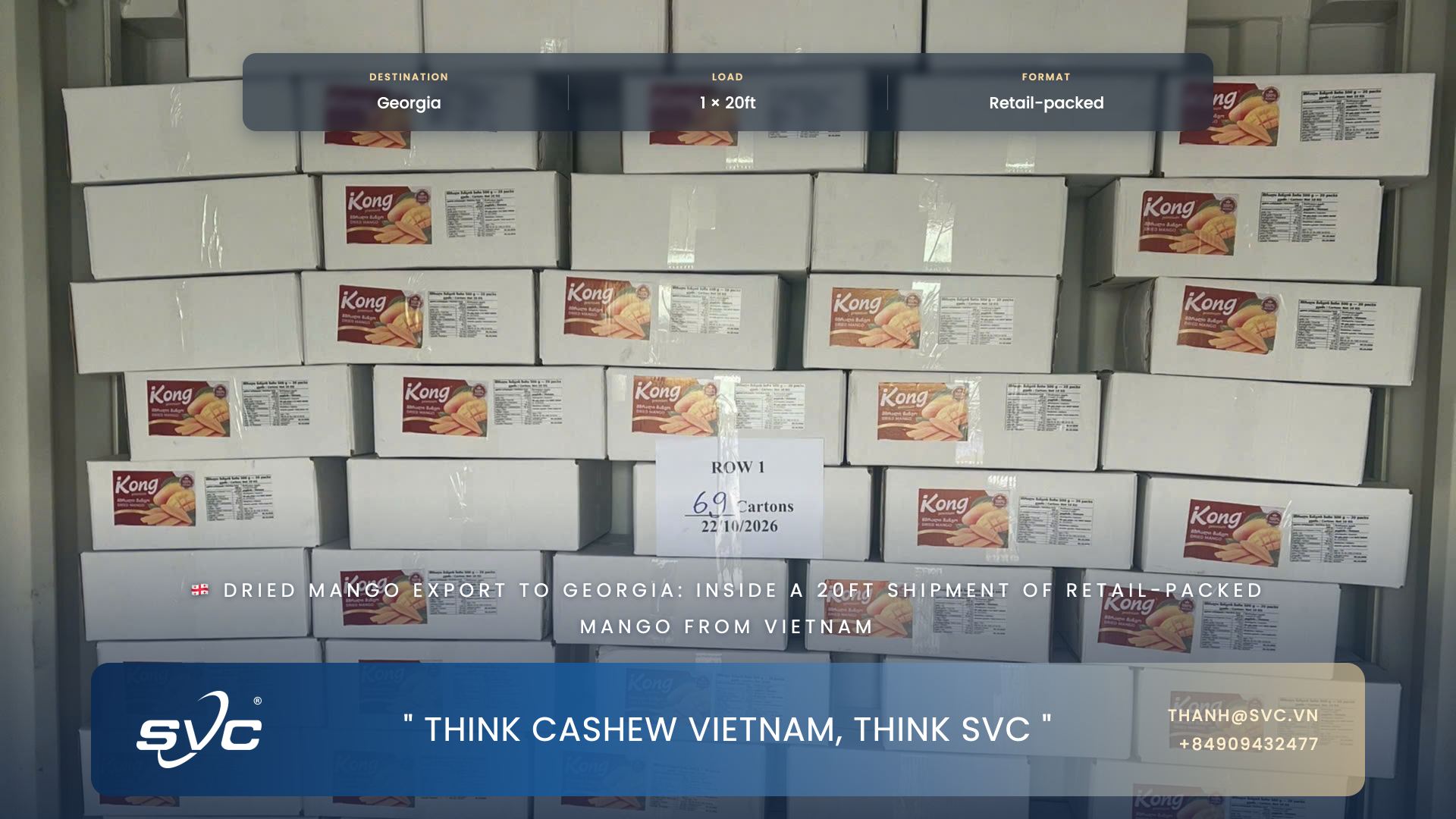
Dried mango export to Georgia from Vietnam works best when the retail pack, the carton label and the loading count are fixed before production. In October 2026 SVC shipped a 20ft container of soft dried mango to a buyer in Georgia, loaded on 22 October: 500 g retail packs, 20 packs to a 10 kg carton, cartons labelled in Georgian and English, and every row of the container counted and photographed. This article walks through how that shipment was specified and what to agree if you are planning a similar order.
What was in the shipment?
The order was soft dried mango in consumer packs, ready for the shelf on arrival. Nothing in the container needed repacking in Georgia: the buyer received finished retail units in shipping cartons.
| Item | Detail |
|---|---|
| Product | Soft dried mango slices |
| Retail unit | 500 g clear tray with printed sleeve |
| Carton | 20 retail packs, 10 kg net |
| Carton label | Georgian and English product name, pack count and net weight |
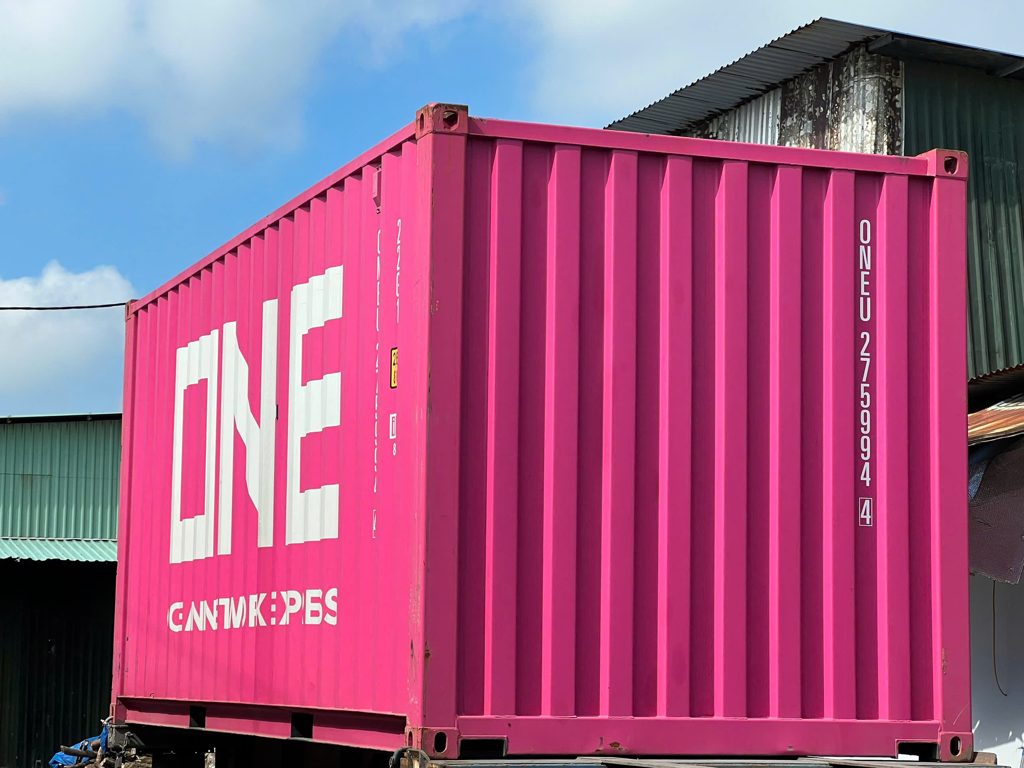
| Container | 20ft dry container, floor-loaded |
| Loading date | 22 October 2026 |
| Loading record | Tally card and photograph for every row |
Retail-ready orders like this one are different from bulk dried mango in 5 kg or 10 kg bags. The buyer saves the cost and time of packing locally, but every detail of the pack — film, sleeve, label text, dates — has to be approved before production starts, because it cannot be changed once the goods are packed.
How was the retail pack specified?
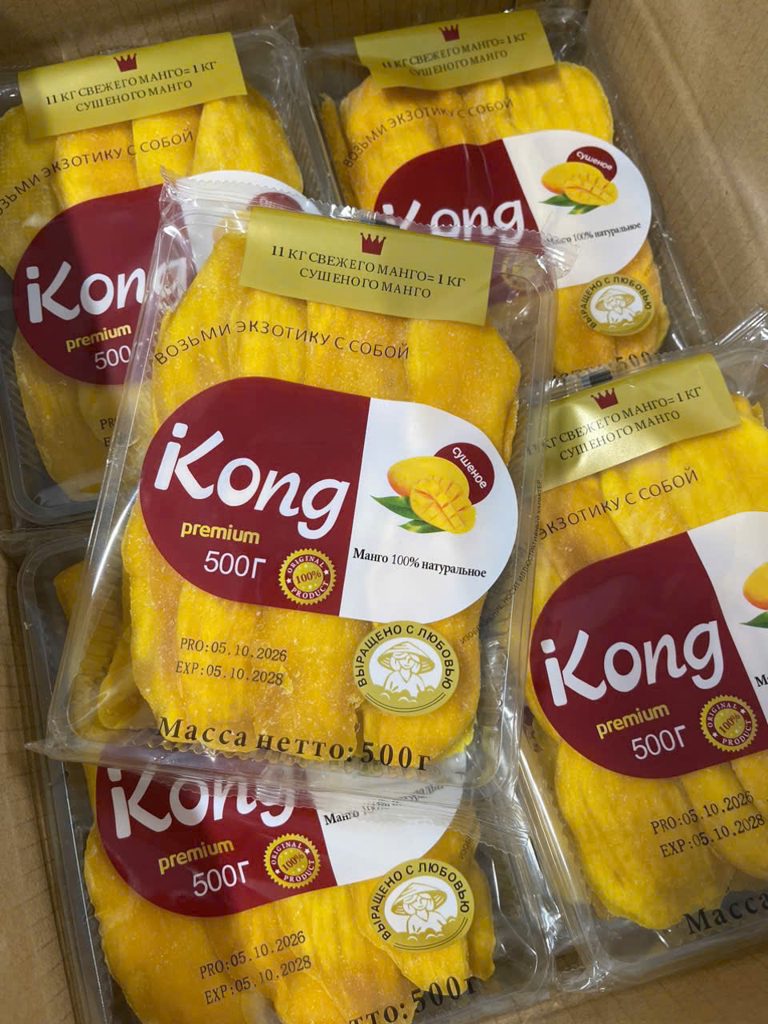
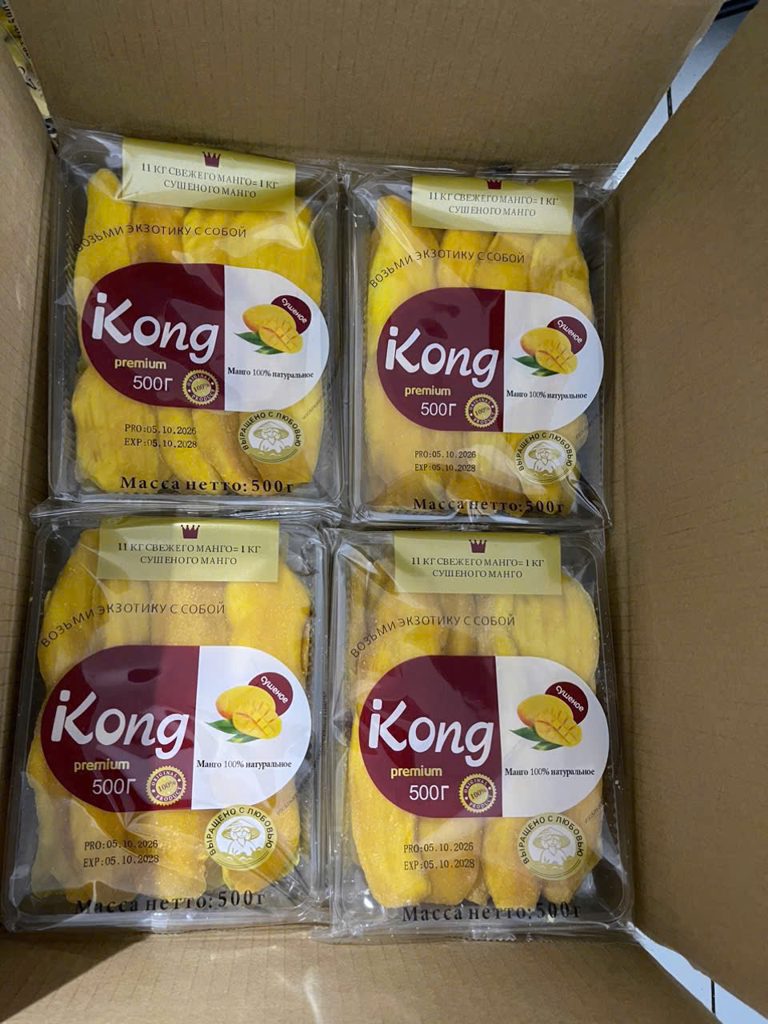
The pack was a 500 g clear tray in a printed sleeve, so the shopper can see the slices. Each pack carries the net weight, the production date and the expiry date printed on the sleeve. The packs in this shipment were produced on 5 October 2026 with an expiry date of 5 October 2028.
These points were fixed before production:
- Net weight per pack — 500 g, with the tolerance agreed in the contract.
- Sleeve artwork and text — approved as a printed proof before production.
- Date format — production and expiry dates in the day-month-year format used on the buyer’s market.
- Packs per carton — 20, giving a 10 kg carton that one person can lift.
- Carton label — product name, pack count and net weight, in the languages the buyer asked for.
For soft dried mango slices, the texture and moisture are what the shopper notices first, so the buyer should approve a sample from the same production season before the order is confirmed.
What does Georgia require on the label?
Food sold in Georgia must carry its label information in Georgian; other languages can appear alongside it, according to a guide to Georgian labelling rules by the law firm Revera. The same guide lists the mandatory items: product name, ingredients in descending order, the manufacturer or importer and their address, allergens, net weight, production date, batch number, expiry or minimum durability date, nutrition information where applicable, and storage conditions.
In practice, the importer is responsible for the consumer label on the Georgian market, so agree before production which text is printed on the pack and which, if any, will be added by sticker after arrival. In this shipment each carton carried a label with the Georgian and English product name, the pack count and the net weight.
Ask your importer or a local adviser to confirm the current Georgian labelling and import rules for dried fruit before you approve artwork. A sticker can fix a missing line on arrival; it cannot fix a wrong date or weight printed on 2,000 sleeves.
How was the container loaded and counted?
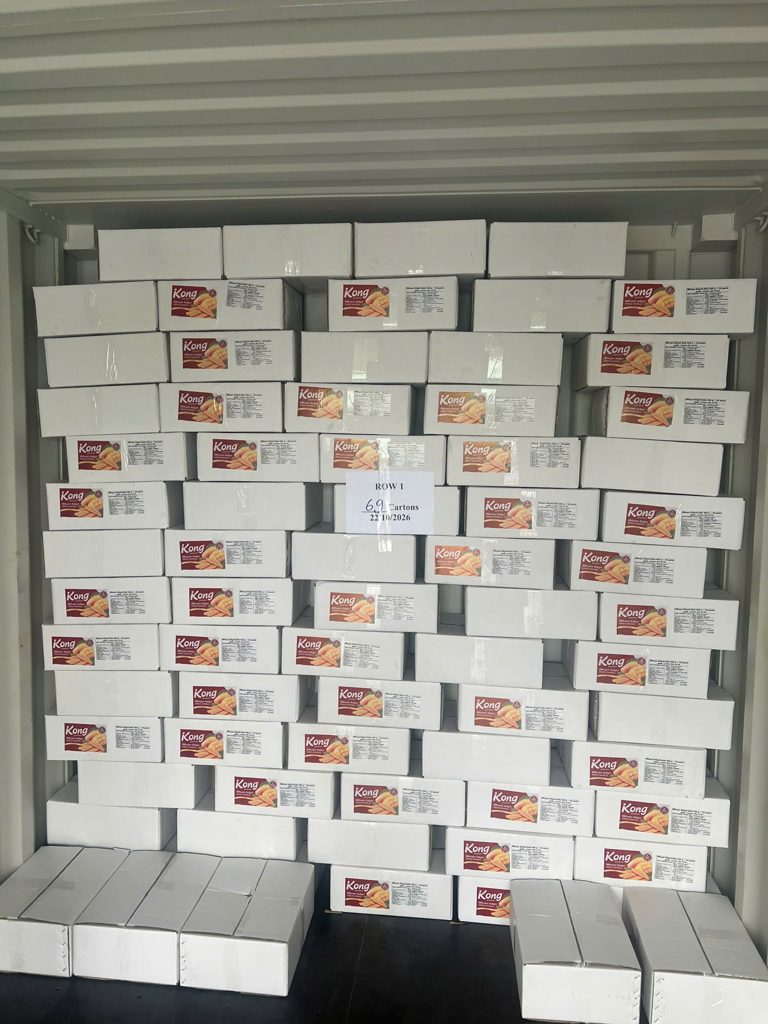
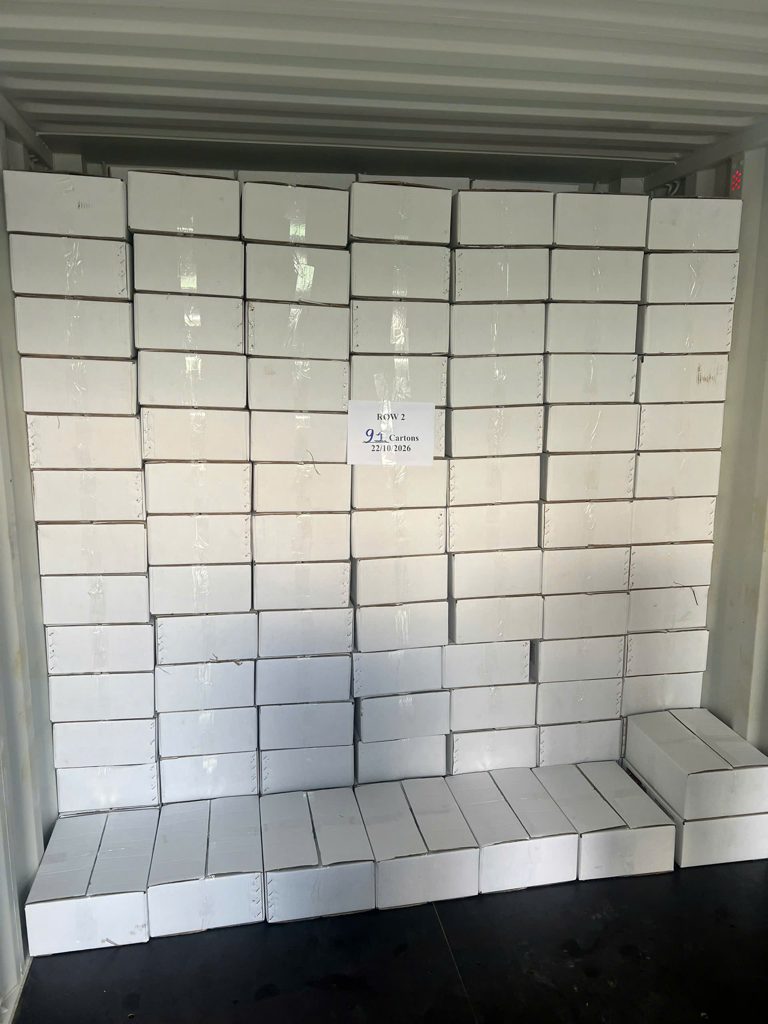
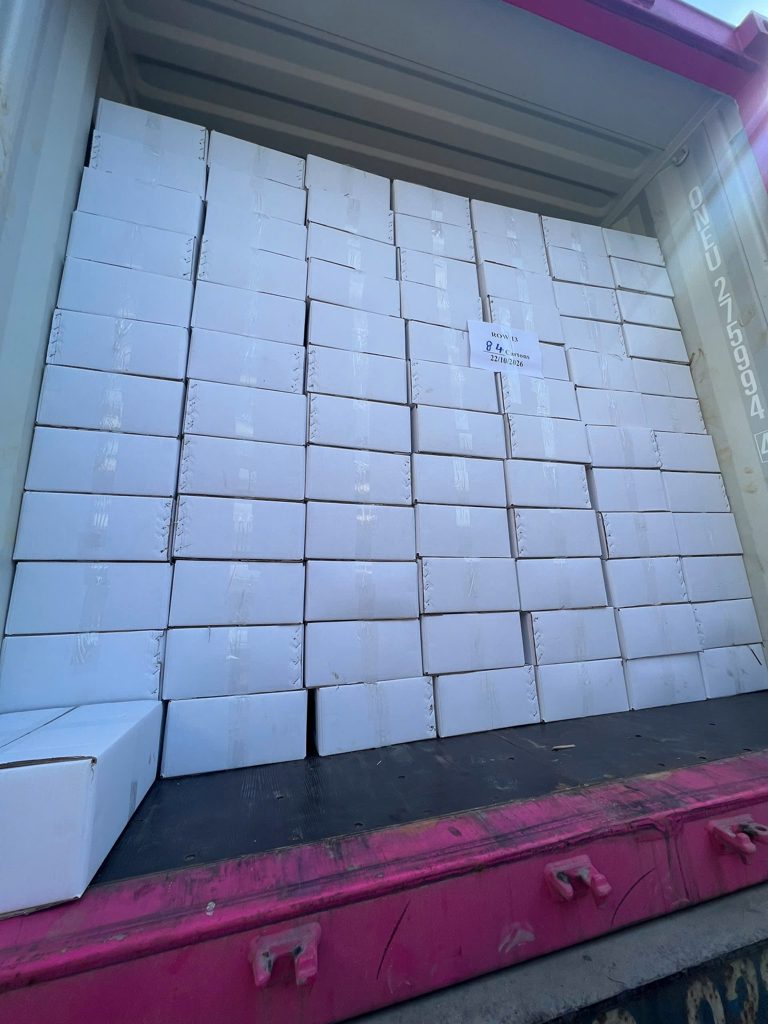
The cartons were floor-loaded in rows from the front of the container to the doors. As each row was completed, a tally card with the row number, the carton count and the date was placed against it and photographed — Row 1 held 69 cartons, Row 2 held 91 and Row 13 held 84, because the rows near the doors are built around the space left.
A row-by-row record does three things. It proves the quantity if the count is ever disputed at destination. It shows how the cartons were stacked, which matters for products that can be crushed. And it gives the buyer a picture of the load before the container is sealed.
The same method is used for cashew containers — see how a container is loaded and what can go wrong in transit.
Which documents travel with a dried mango container?
The exact list depends on the destination and the importer’s customs broker, and should be confirmed before the container is booked. A typical set for dried fruit includes:
| Document | Purpose |
|---|---|
| Commercial invoice | Value of the goods for customs |
| Packing list | Cartons, net and gross weight, lot or date codes |
| Bill of lading | Title to the goods and carrier’s receipt |
| Certificate of origin | Origin of the goods; may affect import duty |
| Certificate of analysis | Moisture, microbiology and other agreed limits for the lot |
| Health or other certificates | Only where the importing authority asks for them |
For more detail on each document, see export documentation explained; the principles are the same for dried fruit as for cashew kernels.
What should you agree before ordering dried mango?
Dried mango is seasonal. Availability and price follow the mango harvest, so it pays to plan retail programmes around the season rather than order at short notice. For packing standards, see the dried mango packing process.
How does SVC supply dried mango?
SVC supplies dried mango and other dried fruits through approved partner processors in Vietnam, alongside its own cashew kernels. SVC manages the order for the buyer — specification, pack approval, loading checks and documents — so buyers can add dried fruit to their cashew programme through one supplier.
If you are starting a new retail pack, allow time for at least one printed proof and one sample round before the production slot.
Can dried mango be shipped in the same container as cashews?
It can be discussed for some orders, provided both products and their packing suit the same container and the documents are prepared for each product.
Can you pack dried mango under my brand?
Yes. Retail packs can carry the buyer’s brand and artwork, subject to approval of a printed proof and a sample.
Planning a dried mango order? Request a quotation →
Article tools
Continue reading